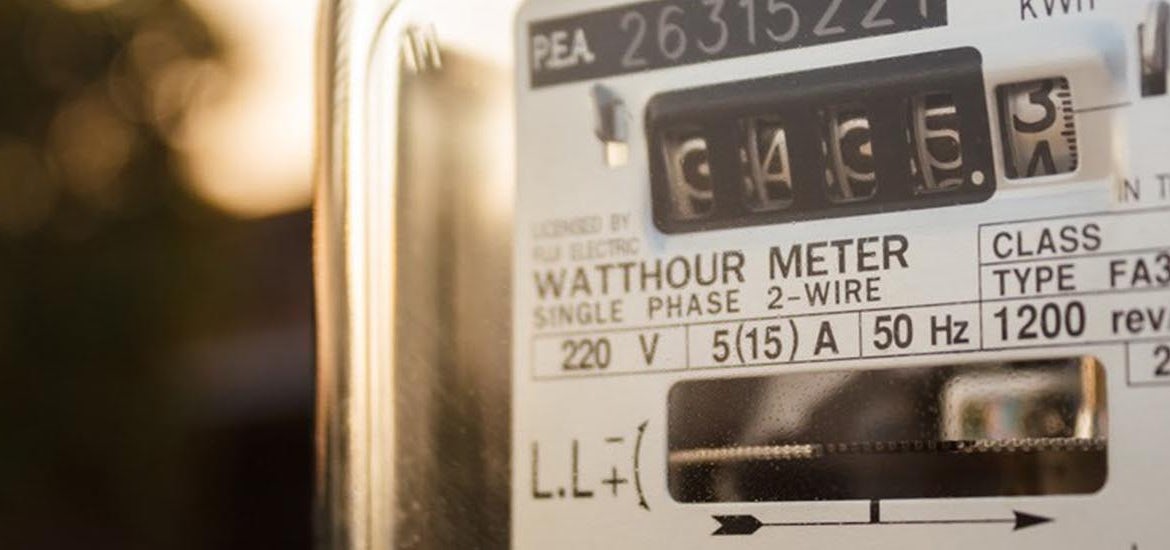
How much electricity does a spa pool use in New Zealand 2026?

Want to know how much it costs to run a spa pool? Wondering how to save money on running costs? This article fully explains spa pool and swim spa running costs, what to consider and more.

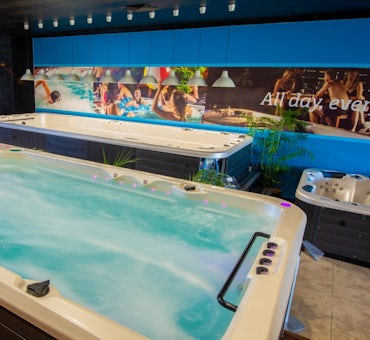
Swim spa costs

Firstly, full disclosure, I am the CEO of Spa World and have been manufacturing and retailing spas for over 25 years.

During this time, I have visited dozens of spa manufacturing facilities and have had ‘pitches’ from hundreds of spa salespeople. As such, I’ve learned a thing or two about manufacturing spa pools and swim spas.

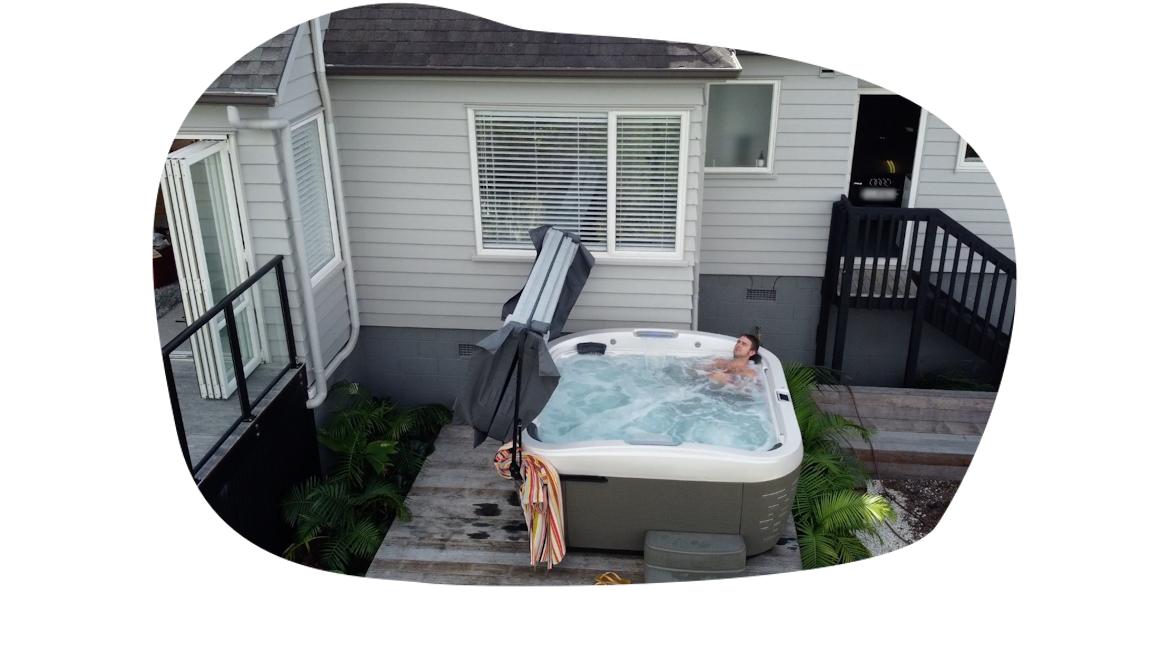
Running a spa pool in New Zealand can cost as little as 30 to 40 cents a day, or as much as $4 to $5 a day. That's roughly the gap between $10 and $150 a month, and it's decided by a handful of settings and equipment choices, every one of them in your control.

Winter swings the number hardest, when the heater works against the cold air. This winter 2026 update walks through the real numbers, how to estimate yours, and the changes that cut the bill without cutting the soak.

What's covered: • What drives spa running costs • Estimating your own spa's cost • Winter vs summer costs • Settings that cut the bill • When a heat pump changes the maths

What decides how much a spa pool costs to run in New Zealand?

Four inputs decide your spa's running cost: the water volume you're heating, how well the spa holds heat (insulation and cover), your electricity price per kilowatt-hour, and your usage pattern. Winter multiplies whichever of those is weakest, which is why two identical households can see very different bills.

Power prices vary between NZ regions and plans, so the per-kWh number on your own bill matters more than any national average. The spa's job is to need fewer of those kilowatt-hours, and that comes down to how well it keeps the heat it has already paid for.

Watch: How much electricity does a spa pool use?

How do you estimate your own spa's running cost?

Multiply your spa's average daily energy use by your per-kWh power price, then by 30 for a monthly figure. Your controller or a plug-in energy meter gives you the daily draw; your power bill gives you the rate.

A worked example makes it real, and the live article's example should be updated rather than replaced: same method, 2026 prices. The estimate is most accurate when it's measured across both a heating day and a holding day, since a spa maintaining temperature draws far less than one recovering from cold.

"After years in the spa industry, I’ve seen firsthand how proper insulation and regular maintenance can make a significant difference in reducing running costs over time."
Andrew Pullen
Managing Director

Does a heat pump cut spa running costs in winter?

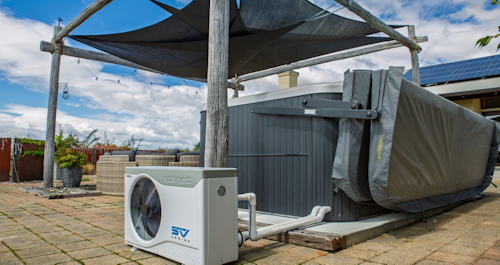
Yes, winter is where it pays off. A standard electric element turns 1 kilowatt of electricity into 1 kilowatt of heat; a heat pump draws warmth from the outside air and turns that same kilowatt into up to 5 kilowatts of heat.

Since your heater works hardest through winter, that's where the savings land. Best suited to swim spas, spas with five or more seats, or frequent soakers; the power savings can repay the unit in one to three years. For small or lightly used spas, an insulation upgrade is the cheaper fix.

Heat Pump Calculator

Brand
-
Model
-
Litres
-
Location
-

Choose Heat Pump Model

Save Up To
-
10 YEARS
Pay Back Time
-
YEARS
Model
-
RRP
-
1 Year
-
2 Years
-
3 Years
-
5 Years
-
10 Years
-

** This heat pump calculator is for general estimating only. Running costs will vary depending on use, installation, location, and climate.

Individual results may vary.**

The data used in this calculator may change without notice.

Savings are calculated based on replenishing 6°C of heat loss per day using the model's literage, local annual average temperatures, and a holding temperature of 37°C.

Swim spa water temperature is usually held at lower temperatures than 37°C, which will increase the ROI and reduce the payback time. This is not reflected in the calculator.

Why does winter cost so much more, and what can you do about it?

Winter widens the gap between your spa's temperature and the air, so heat escapes faster, and the heater runs longer to replace it. The counters are all about retention: a dense, tight-fitting cover, sound cabinet insulation, and keeping the spa at temperature rather than reheating from cold.

Counterintuitively, holding a constant temperature is usually cheaper than switching the spa off between uses in winter: reheating a cold spa from scratch costs more than maintaining warmth in a well-insulated one. If your spa struggles to hold overnight temperature, the cover is the first suspect and the cheapest fix.

Which settings and upgrades cut spa running costs in NZ?

In rough order of impact: replace a tired cover, schedule heating and filtration into off-peak windows where your power plan has them, drop the set temperature a degree or two, keep filters clean so the pump works efficiently, and for larger spas, add a heat pump, which delivers several units of heat per unit of power.

None of these asks you to use the spa less. That's the point of this guide: a spa in New Zealand should be a winter pleasure, not a winter bill you brace for, and the difference between the two is mostly setup.

FAQs

Is it cheaper to leave a spa pool on all the time in NZ?

In winter, generally yes for well-insulated spas: maintaining temperature costs less than repeatedly reheating from cold. Poorly insulated spas blur this rule, which is itself the signal to fix the insulation or cover.

Summary

Spa running costs in NZ come down to heat retention: the cover, the insulation, the settings and, for bigger spas, a heat pump.

Get those right and winter becomes the season your spa earns its keep instead of the season it costs you.

Article authored by: Andrew Pullen

Related Articles

What our customers say about us

We work hard for your Five Star ratings.

Birdeye is a trusted platform for customer reviews and ratings.