How much does a spa cost in New Zealand in 2025? (Spa prices, considerations and more)

Want to know how much a spa or hot tub costs? Wondering about price ranges and why there’s such a difference? This article fully answers those questions and more...

Thinking about buying a hot tub or spa, and wondering: "How much does a spa cost?". You may also be asking: "Why is there such a huge range in spa pool pricing?”.

After all, you can spend $2,999 on one spa or $29,999 on another and on the surface, they look pretty similar. But are they?

This guide from Spa World™ explains what really drives spa prices, and why looks and jet counts don’t tell the full story. You’ll also see example prices from value, premium and luxury spa ranges to help you decide what’s worth paying for.

What is the best spa for the money?

You can buy a spa for around $2,999 or spend closer to $29,999. On the surface, many models look similar, about the same size, similar seating and plenty of jets.

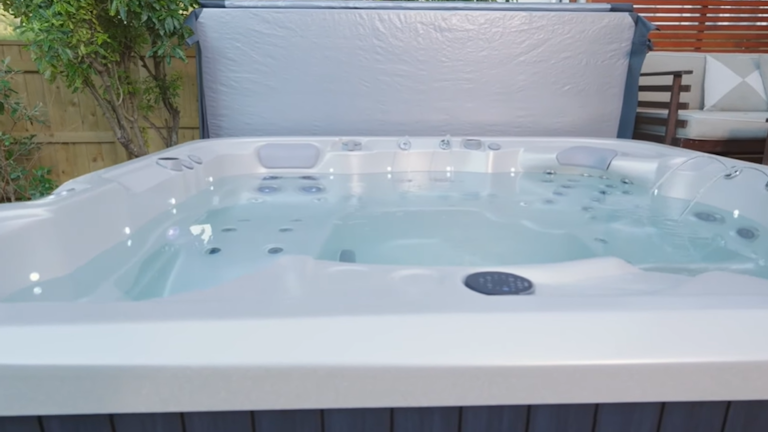
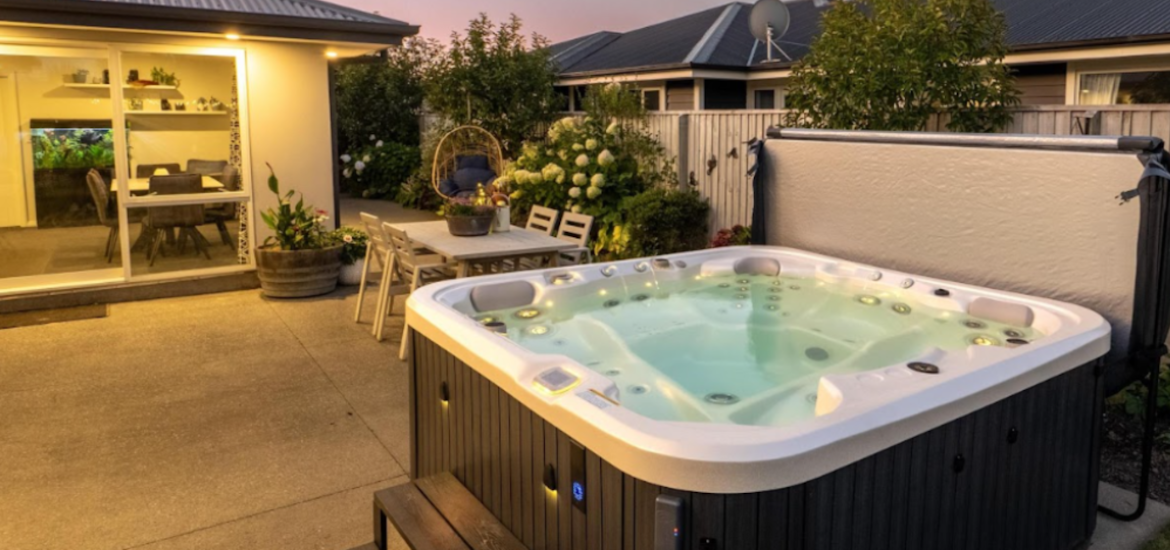
To explain the differences, let’s look at three similar-looking spas from Spa World™. They may look alike but in reality, they sit in very different price brackets.

Three similar looking spas, three very different prices:

All three of these spas are:

  • Around 2 metres by 2 metres
  • Designed to seat 4–5 adults
  • Fitted with a circulation pump (filtration pump) and a single jet pump
  • Built with roughly 35–40 jets

So why the big price difference?

Well, if you look at the technical specifications of the spas mentioned above, you'll see they have some key differences that set them apart. We explain more below...

Why are spa prices so different?

When a manufacturer designs and builds a spa, there are a lot of choices to make, and each choice affects the final price.

Some of the big ones include:

  • Where the spa is made
  • How it is made (design, testing and quality control)
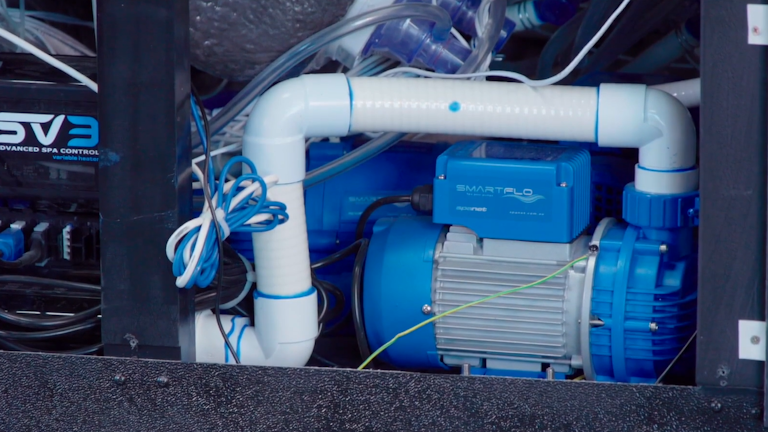
  • What parts are used – pumps, controls, frame, shell, plumbing and so on
  • Which features are included and which are left out
  • What warranty and after-sales service you get

In short, spa prices are different because the build choices are different. Two spas might look the same on the outside, but the country of manufacture, the way they’re built, the parts inside, the features included and the backup you get all add up to very different price tags.

Watch the video below as Andrew Pullen, Spa World’s Managing Director, explains the differences in spa prices.

Why does it matter where a spa is made?

Spa pools are very labour-intensive to manufacture. Most of the work is not automated, so labour costs in the country of manufacture have a big impact on the final price.

Many of the best quality spas in Australia, and many of the best value options, are made in China, Mexico and Eastern Europe, where labour costs are lower than in some developed countries.

Some examples:

  • Jacuzzi® Spas and HotSpring® Spas have plants in Mexico.
  • Oasis Spas™ and Vortex Spas™ are made in China.

It is important to note that where a spa is made is not a guide to quality.

Oasis Spas™ and Vortex Spas™ are made in China.

"What matters most isn’t where a spa is made, but how it’s built, what it’s made from, and the quality of the factory’s checks."
Andrew Pullen
Managing Director

What are the most important parts of a spa?

The average spa has hundreds of components and manufacturers have options for every one of them.

Put simply, cheap parts lead to a cheaper spa. They also lead to breakages, failures and buyer remorse!

Using quality components can easily double the manufacturing cost of a spa pool, which in turn leads to a retail price that is twice as high. As an example, look back at the difference in price between the three spas mentioned earlier in this article.

Using quality components can easily double the build cost – and double the price – but also gives you a spa that’s more enjoyable to own.

Here are some of the key things to look for when you’re choosing a spa.

1. Base, frame and shell

Moulded base with an upturn

This helps stop water getting into the inside of the spa cabinet when it rains.

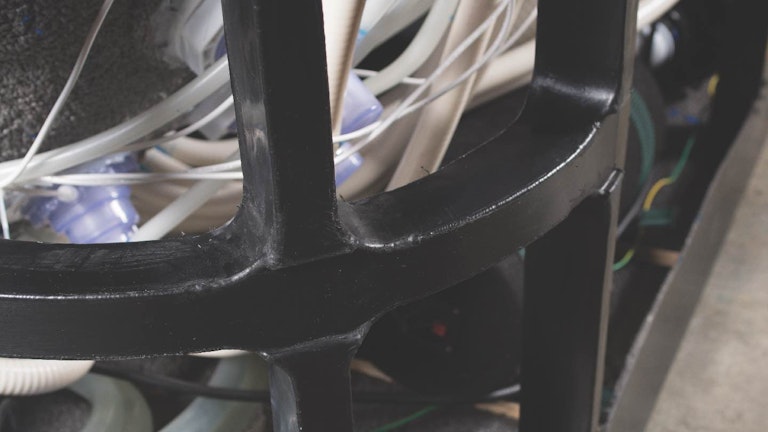
Treated timber or plastic frame

  • Ask to see proof of timber treatment. Some suppliers claim their frames are treated when they’re actually just painted.
  • Be careful with “stainless steel” frames. These are often made with low-quality stainless, and many of these frames have been seen rusting.

US-made acrylic shell

  • If it doesn’t clearly state US-made, then it isn’t.
  • At the time of writing, no one outside the US makes decent quality acrylic sheet for spa shells.

2. Control system, jets and plumbing

Recognised brand control system

  • The big control brands are Balboa, Gecko and SpaNet.
  • HotSpring® Spas make their own control systems, which are also very good.
  • If the supplier isn’t clearly stating they use one of these brands, it’s best to steer clear.

Decent warranty on jets and plumbing

  • Look for a warranty in the range of 2–5 years on jets and plumbing.

Cabinet quality

  • Ask the retailer to remove a cabinet panel so you can check the weight and build.
  • The cabinet will cop years of UV. Poor-quality cabinets can quickly fade and warp, turning your lovely new spa into an eyesore.

Plumbing type

  • Clear plastic tubing is not good for spa plumbing.
  • You want to see ribbed flexible PVC plumbing, which is designed for hot, chemically treated water.

Should I upgrade to a spa with more features?

The short answer: yes, if you can.

The more useful features your spa has, the more enjoyment you’re likely to get out of it. As with anything, better components and extra features will cost more upfront – but can save money and hassle later on.

Here are some top features to look for in any spa you buy.

A circulation pump

A circulation pump (separate from the main jet pump) can mean:

  • Cheaper running costs
  • Better water quality
  • A quieter spa compared with a two-speed pump

A spa with a circulation pump would normally be at least $1,000 more than the same spa fitted with a two-speed pump.

An automated sanitising system

An automated sanitising system helps keep your water clean and clear with less effort.

Key points:

  • Ozone, which helps clarify the water, is a must.
  • UV, which sanitises the water, is preferable.
  • Any spa with multi-stage filtration will be easier to maintain than one without.
  • A very good automatic sanitising system can easily add $2,000 to the price of a spa, compared with the same model without it.

Good levels of insulation

  • Insulation has a big impact on how much your spa costs to run.
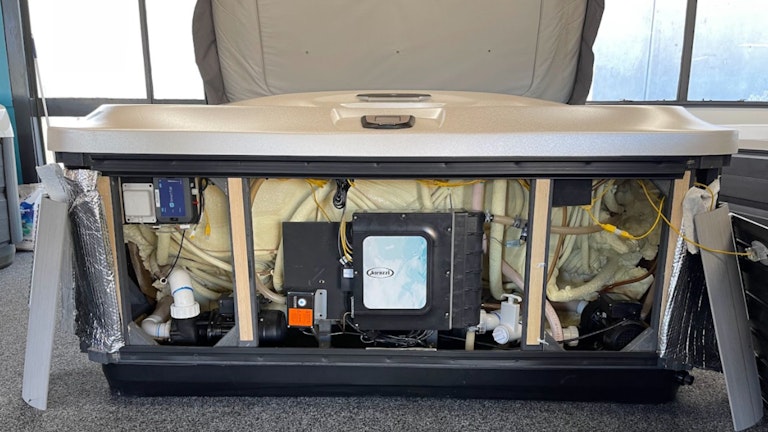
  • At the very least, there should be insulation on both the shell of the spa and the inside of the cabinet.
  • Ideally, choose a spa with full-foam insulation. These spas generally have the lowest running costs.
  • Full-foam insulation can add around $2,000 to the retail price of a spa. Over time, the savings on power bills can be much more, making good insulation a smart investment.
how to care for your spa cover video thumbnail

A heavy cover

  • A thicker, higher-density cover is better at reducing heat loss and cutting running costs.
  • Adding a cover lifter makes it much easier to get the cover on and off, which means you’re more likely to use the spa as often as you’d like.
Fisher Spas Lifetime Frame

A treated timber or plastic frame

  • This one is so important it’s worth repeating.
  • Ask the retailer to remove the side of the spa and show you the frame.
  • You want to see proper treatment or plastic framing, not just painted timber or cheap metals that may rust.

Big water jets

  • Jet counts can be misleading.
  • Many brands boost the number by adding lots of small water or air jets.
  • In general, bigger, well-placed jets give a better massage.
  • Some top hydrotherapy spas, like Jacuzzi®, HotSpring® and Bullfrog®, have relatively low jet counts.
  • What really matters is jet size, position and overall design, not just how many there are.
  • Good design and engineering add to the cost, but you feel the difference every time you use the spa.

Other things to consider with spa costs

The features above are fairly easy to see when you’re shopping around. There are a couple of other important factors that are harder to spot, but still worth paying attention to.

Resin on the acrylic shell

The amount of resin applied to the acrylic shell is probably the single biggest factor in how long the spa will last.

A simple check: Talk to the retailer about how the shell is built. If you’re brave enough, try to pick the spa up under the lip. If you can lift it even an inch, don’t buy it. A more solid, better-reinforced shell will feel harder to move.

The type of piping

As mentioned earlier, clear plastic tubing is not good for spa plumbing.

  • Look for ribbed flexible PVC plumbing.
  • It’s designed for hot, chemically treated spa water.
  • This type of plumbing is better suited to the conditions inside a spa than clear plastic tubing.

FAQs

How can I tell if a spa is well built?

A few simple checks:

  • Ask how the acrylic shell is reinforced and how much resin is used.

  • If you can, gently try to lift the spa under the lip. If you can lift it even an inch, don’t buy it.

  • Ask the retailer to remove a side panel so you can see the frame, cabinet and plumbing.

  • Check that the plumbing is ribbed flexible PVC, not clear plastic tubing.

  • Confirm the control system brand and the warranty period on jets and plumbing.

Learn more...

Hopefully, after reading this article you now have a better understanding of why spas that look the same on the surface, can vary so much in price.

For more information, visit the Spa World product pages where you can see all of our spas, swim spas and prices.

Or visit your nearest Spa World store or contact us now, for advice and tips on buying the best spa for you!

DISCLAIMER

In this article, we’ve used brand names not affiliated with Spa World™ or Vortex Leisure Pty Ltd, the parent company of Spa World™.

All information, including pricing and product details, was accurate at the time of writing and may change without notice.

The following registered trademarks are owned by companies not affiliated in any way with Spa World™ or Vortex Leisure Pty Ltd:

Oasis Spas® trademark is owned by Oasis Leisure Products Pty Ltd. Artesian Spas™ trademark is owned by Artesian Spas Bullfrog Spas® trademark is owned by Bullfrog International, LC Signature® Spas trademark is owned by Spa Industries Pty Ltd (SCS). HotSpring® Spas trademark is owned by Watkins Manufacturing Corporation (Watkins). Sapphire Spas® Alpine Spas®

Affiliations:

Vortex® Spas, Fisher™ Spas and Spa World® are trademarks owned by Vortex Leisure Pty Ltd.

The Jacuzzi® brand is owned by Jacuzzi Inc. and exclusively licensed for use to Spa World™ in Australia and New Zealand.

Related Articles

What our customers say about us

We work hard for your Five Star ratings.

Birdeye is a trusted platform for customer reviews and ratings.