Saltwater spa pools in NZ: can you get one, and are they worth it?

Yes, saltwater spa systems exist, but they're less common in New Zealand than buyers expect, and Spa World® doesn't sell them. Salt chlorination has real trade-offs in a spa's hot water, which is why many Kiwi owners choose alternatives like magnesium-based water care instead. The honest breakdown is below.

Saltwater spa pools in NZ

Saltwater spa pools use a chlorinator cell to convert dissolved salt into chlorine, the same principle as a saltwater swimming pool. They exist in New Zealand, but they're a niche choice, and Spa World® doesn't sell saltwater systems: in a spa's small volume of hot water, salt chlorination brings maintenance and equipment trade-offs that we think most owners are happier without.

This guide covers how the systems work, their genuine pros and cons, and the water-care alternatives Kiwi spa owners are choosing in 2026.

What's covered

  • How saltwater spa systems work
  • The genuine pros
  • The cons in a spa's hot water
  • Why Spa World® doesn't sell them
  • The alternatives Kiwi owners choose
How does a saltwater spa system work?

A saltwater spa system dissolves salt in the water and passes it through an electrolytic cell, which converts the salt into chlorine that sanitises the water. You're still running a chlorine spa; the system simply generates the chlorine on board instead of you dosing it by hand.

That distinction surprises many buyers. "Saltwater" reads as chlorine-free, but the chemistry says otherwise: the cell makes chlorine continuously from the salt. What changes is the feel of the water, which many people find softer, and the dosing routine, which becomes managing the cell rather than measuring sanitiser.

What are the pros of a saltwater spa?

Owners choose salt systems for softer-feeling water, steadier sanitiser levels between checks, and less handling of chlorine products. For people sensitive to the feel or smell of conventionally dosed water, that can be a genuine quality-of-life difference.

Those benefits are real and worth stating plainly. The question for a spa, as opposed to a swimming pool, is what they cost you on the other side of the ledger, and in hot water the ledger changes.

What are the cons of salt systems in a spa?

In a spa's small, hot water volume, salt systems bring chlorinator cells that wear and need replacement, salt's corrosive pressure on heaters, fittings and surrounds, and water chemistry that still needs regular testing. The maintenance you save on dosing tends to reappear as equipment care.

Heat accelerates everything in water chemistry, and a spa runs 20 degrees hotter than a pool with a fraction of the water. Cells work harder, corrosion risks concentrate, and mistakes show up faster.

None of this makes salt systems unusable; it makes them a system you maintain rather than a maintenance-free upgrade. Our saltwater spa maintenance guide covers what ownership actually involves.

What are the alternatives to a saltwater spa in NZ?

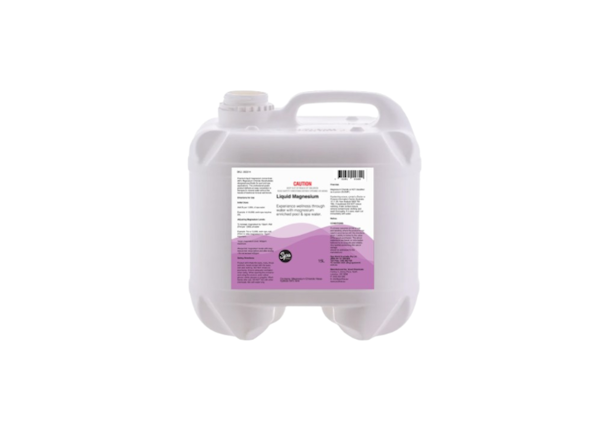
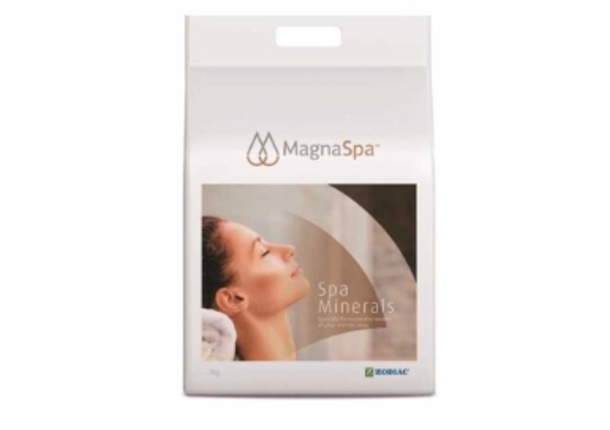
Magnesium-based water care delivers the soft, mineral-water feel that draws people to salt, without a chlorinator cell or salt's corrosive load. Conventional dosing with modern products remains the simplest proven routine, and quality filtration underpins whichever you choose.

For owners of HotSpring® spas, our review of the FreshWater™ salt system covers that brand-specific option and what it involves. For everyone else, the magnesium route has become the popular NZ answer to "salt feel, less salt trouble."

FAQs

No. The salt cell generates chlorine from the dissolved salt. The water is still chlorine-sanitised; the chlorine is just produced on board.

Conversion kits exist, but check your spa manufacturer's position first: salt can affect heaters and componentry, and running salt in some spas may have warranty implications.

Explore spa water care options

Magnesium-based care paired with a good filtration routine gives most owners soft-feeling water with a simple weekly rhythm.

In Summary

Saltwater spas are real, legal and available in NZ, and still a niche choice for good reasons: the chemistry works, the trade-offs in hot water are just bigger than the brochure suggests. If soft water is what you're after, magnesium-based care gets you there with less to maintain.

Article authored by: Jennifer Yanga

What our customers say about us

We work hard for your Five Star ratings.

Birdeye is a trusted platform for customer reviews and ratings.