Top six ways a hydrotherapy spa reduces stress

A hydrotherapy spa reduces stress in six key ways: it eases muscle tension, takes pressure off your joints, supports circulation, helps release endorphins, soothes tired limbs, and gives you space to switch off. The warmth, buoyancy, and jet massage do the work together. Read more below.

A hydrotherapy spa reduces stress through warm water, buoyancy, and targeted jet massage working together. The warmth loosens tight muscles, the buoyancy lifts load off your joints, and the jets work pressure into the spots that carry the day. Spa World stocks Vortex® , Fisher® , and Jacuzzi® spas built around that mix of warmth, buoyancy, and jet power.

What's covered in this article:

How does a hydrotherapy spa ease muscle tension?

A hydrotherapy spa eases muscle tension by pairing warm water with directed jet massage. Warmth helps tight muscles let go, while high-volume jets work pressure into the neck, shoulders, and lower back, the places most people hold a stressful day. Less tension in the body usually means less tension in the head.

That is the practical reason a soak feels different from a hot shower. A shower warms you; a spa warms you and works the knots at the same time. Stress tightens muscles, tight muscles ache, and the ache keeps you wound up. Breaking that loop is the first thing a good spa does.

Learn more about the best hydrotherapy jets for your spa pool in our detailed guide

Can a spa take pressure off your joints?

A hydrotherapy spa takes pressure off your joints through buoyancy. Sit in the water, and it supports a large share of your body weight, so stiff knees, hips, and ankles carry far less load than they do on dry land. For anyone who feels stress as physical stiffness, the relief lands within seconds of getting in.

That weightless feeling is why a spa suits older bodies, recovering bodies, and anyone who spends the day on their feet. The water does the holding, so the joints get a break they rarely get otherwise.

Buoyancy does the heavy lifting, so your joints finally get to clock off.

Does a spa help your circulation?

Warm-water immersion is associated with better blood circulation. As the warmth spreads through the body in the water, blood is understood to move more freely, which is part of why people feel loose and warm rather than tense and cold when they step out. Good circulation and a calmer state of mind tend to travel together.

This is also why a spa works well in cooler New Zealand and Australian months, when stress and cold stiffness stack on top of each other. Twenty minutes in warm water resets both.

How does a spa help release endorphins?

Soaking in a warm hydrotherapy spa is associated with the release of endorphins, the body's own feel-good chemicals. The warmth and the gentle pressure of the water help shift you out of a wound-up state and into something closer to calm. That chemical lift is a big part of why people describe a soak as the best part of their day.

It is the same reason the habit sticks. The first soak feels good, so you go back, and a daily reset becomes part of how you handle a heavy week.

Will a spa soothe tired, sore muscles?

A hydrotherapy spa soothes tired limbs and sore muscles by warming them while the jets knead away the tightness. Heavy legs after a long shift, sore shoulders after the gym, an aching back after the garden: the jets target each one directly. Soothed muscles recover faster and nag you less, which keeps stress from building overnight.

The Vortex® , Fisher® , and Jacuzzi® spas Spa World carries use high-volume jetting systems for exactly this. The point is not the jet count on a spec sheet; it is whether the water reaches the spot that hurts. A wet test in-store tells you that in about a minute.

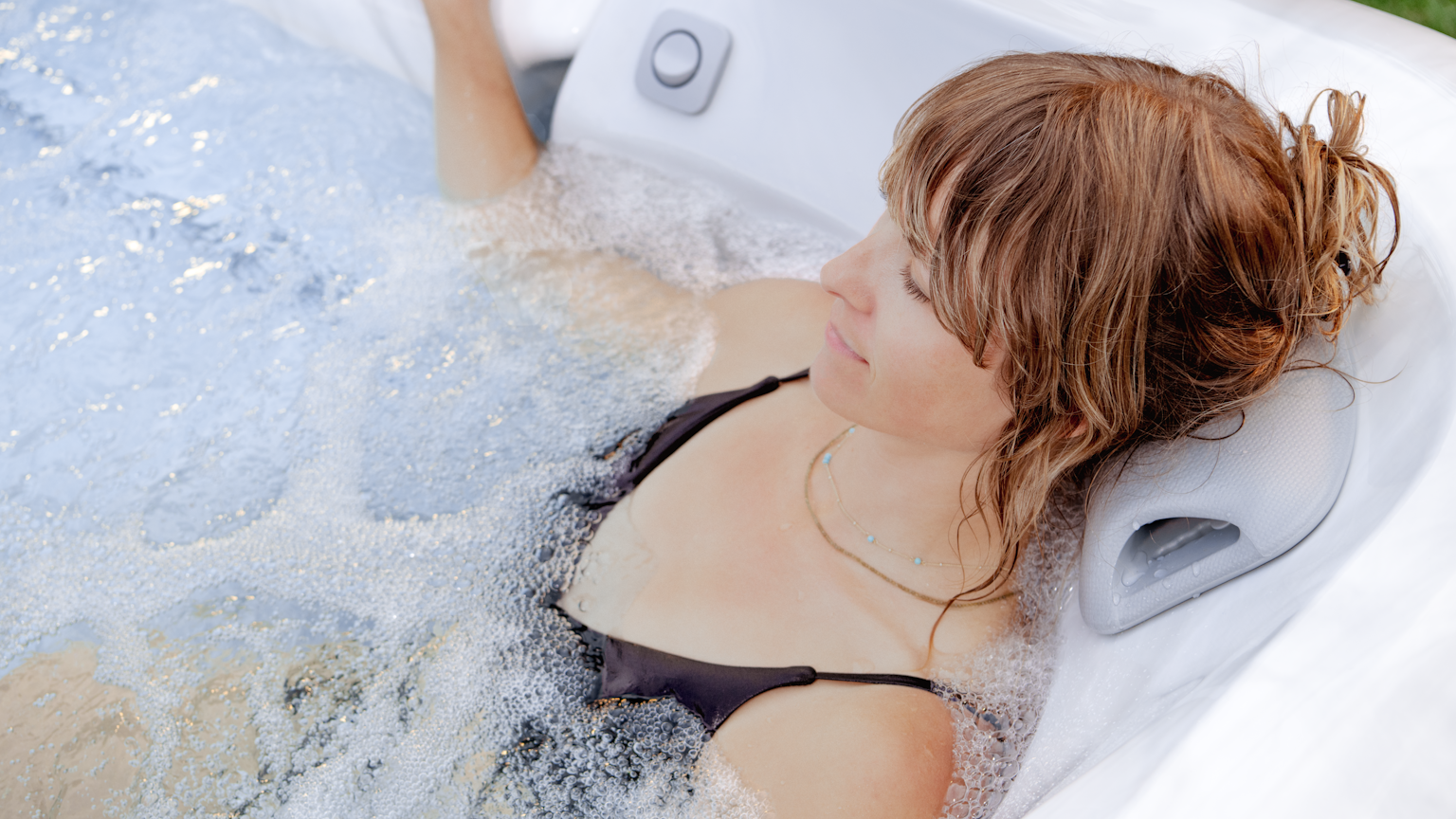
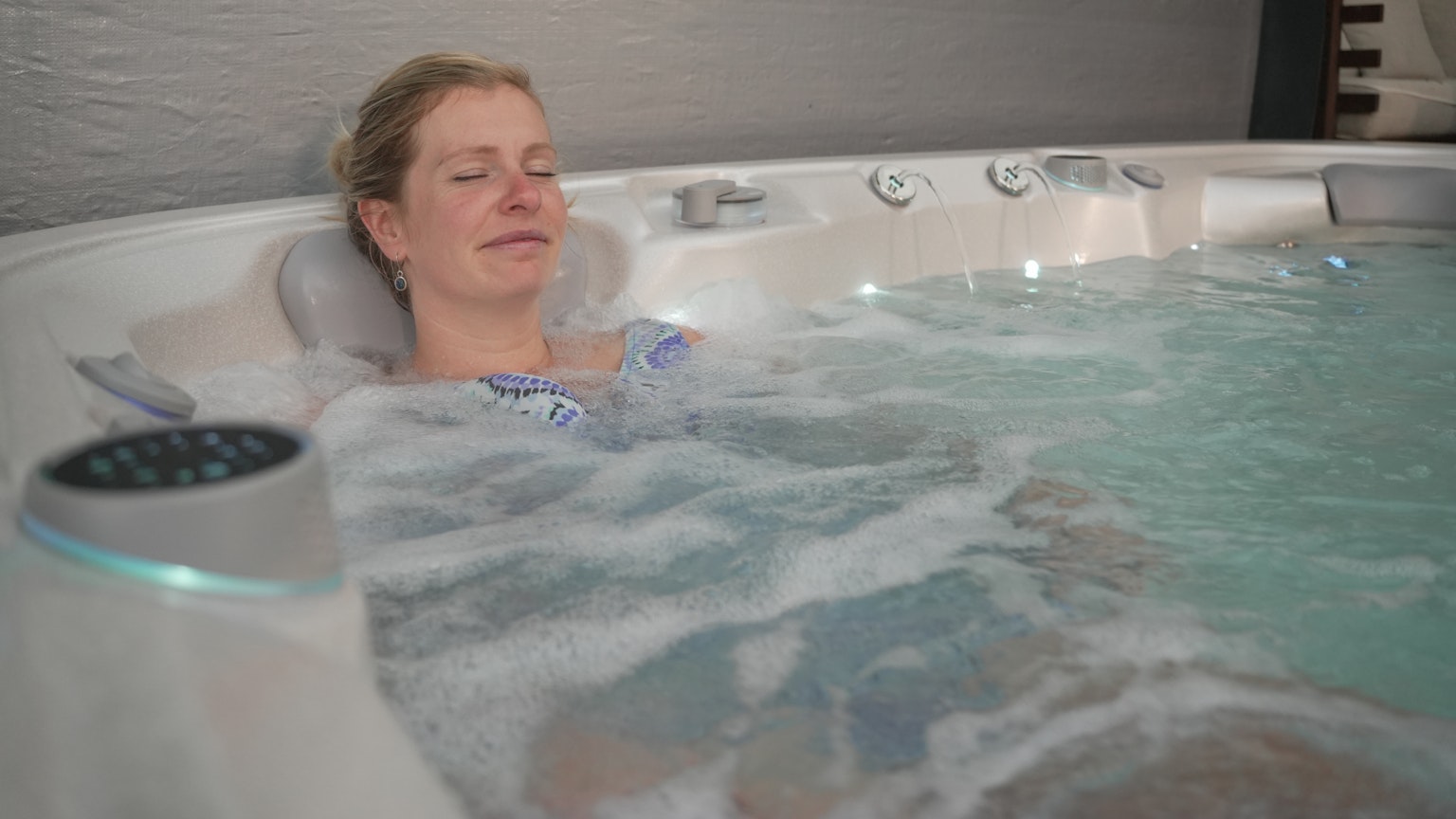
A woman relaxing in a Vortex Nitro spa pool

How does a spa create space to relax and reset?

A hydrotherapy spa creates space to relax because it pulls you out of everything else. No phone, no screen, no list. With high-volume jetting systems and lighter-than-air buoyancy, nothing beats the feeling of slipping into a hot spa and letting the tensions of the day melt away. The setting does half the work; you do the rest just by being in it.

That is what separates stress relief that lasts from a quick distraction. A spa gives you a fixed point in the day to stop, breathe, and reset, which is the part most busy people never schedule for themselves.

Frequently Asked Questions

Is a hydrotherapy spa good for stress and anxiety?

A hydrotherapy spa is widely used as a way to wind down from stress. The warmth, buoyancy, and jet massage help the body relax, and a regular soak gives you a reliable point in the day to switch off. It is a wellbeing aid, not a medical treatment, so anyone managing an anxiety condition should still talk to their GP.

How long should you sit in a spa to de-stress?

Most people find around 15 to 20 minutes is enough to unwind without overheating. Set the temperature somewhere comfortable, get in, and let the jets do the work. If you start to feel light-headed or too warm, step out and cool down. Listen to your body rather than the clock.

What is the difference between a hot tub and a hydrotherapy spa?

The terms overlap, but "hydrotherapy spa" points to the therapy side: purpose-placed jets, ergonomic seating, and pump power aimed at working specific muscle groups. A basic hot tub heats water; a hydrotherapy spa heats it and treats you. The Vortex®, Fisher®, and Jacuzzi® ranges at Spa World all sit in the hydrotherapy category. Jacuzzi® are the inventors of modern hydrotherapy: the family built the first hydrotherapy pump in the 1950s and the first self-contained whirlpool spa in 1968. The therapy itself dates back to the Romans, but Jacuzzi® is the brand that brought it home.

Are Spa World spas suitable for everyday use?

The Vortex®, Fisher®, and Jacuzzi® spas Spa World carries are designed for regular home use, and many owners do soak daily. Energy-efficient insulation keeps running costs manageable in both Australian and New Zealand conditions. Your local showroom team can walk you through running costs for the specific model you are considering.

In Summary

Stress shows up in the body before it shows up anywhere else, and a hydrotherapy spa works on it from six directions at once. Warm water, buoyancy, and the right jets turn the end of the day into something you look forward to. Come and feel the difference for yourself.

Health disclaimer: This information is not intended to prescribe a particular diagnosis or course of action. It is about creating new possibilities for people to help themselves. We are not medical professionals. If you have any concerns about your current well-being, please contact a GP or seek professional help and advice.

Copyright disclaimer: Vortex®, Fisher®, and Jacuzzi® are trademarks of their respective owners. All product names, ranges, and specifications mentioned are referenced for information only and are subject to change. © Spa World. All rights reserved.

Article authored by: Mariam El Orfi

What our customers say about us

We work hard for your Five Star ratings.

Birdeye is a trusted platform for customer reviews and ratings.